Rolanka International, Inc

Author name: Calista Santha

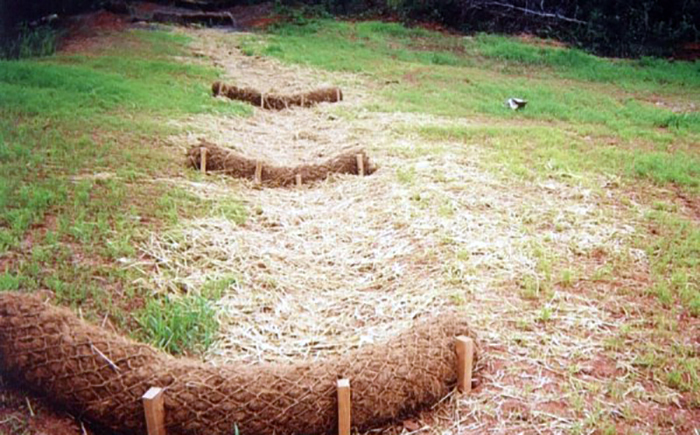
BioD-Roll coir logs from RoLanka International

From Streambanks to Transportation Corridors: Selecting Natural Fiber Solutions for Different Site Conditions

Not every erosion control challenge calls for the same solution. A steep highway embankment, a wetland edge, and a fast-moving drainage channel each place different demands on the materials protecting them, and treating them the same way often leads to premature failure and costly rework. Choosing the right natural fiber solutions for each site condition

From Streambanks to Transportation Corridors: Selecting Natural Fiber Solutions for Different Site Conditions Read More »

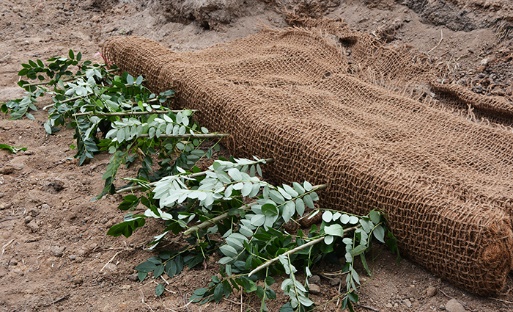
BioD-Mat 70 woven coir erosion control mat from RoLanka International

Why Engineers Specify Coir Mats for Challenging Slope Stabilization Projects

Steep highway embankments, drainage channels, and other challenging slopes put erosion control materials through some of the toughest conditions a project site can offer. Heavy rainfall, concentrated flow, and constant exposure to traffic and weather can quickly overwhelm materials that aren’t engineered for the job. This is exactly why specifying engineers consistently reach for a

Why Engineers Specify Coir Mats for Challenging Slope Stabilization Projects Read More »

BioD-Block coir blocks from RoLanka International

Restoring Wetlands Naturally: The Role of BioD-Block in Long-Term Vegetation Success

Wetland ecosystems depend heavily on the health of the streambanks, riverbanks, and shorelines that border them. When these riparian edges erode, sediment and nutrient loads increase downstream, water quality declines, and the vegetation that filters runoff before it reaches the wetland is lost. Restoring these transitional zones is one of the most effective ways to

Restoring Wetlands Naturally: The Role of BioD-Block in Long-Term Vegetation Success Read More »

BioD-Watl coir wattles from RoLanka International

Choosing the Right Wattles for Modern Construction and Environmental Projects

Erosion and sediment control professionals face a constant challenge: keeping loose soil in place during construction, restoration, and landscaping projects without introducing materials that create long-term environmental problems. Runoff from active job sites, disturbed slopes, and unstabilized channels carries sediment directly into nearby waterways, often violating environmental compliance standards and damaging aquatic habitats in the

Choosing the Right Wattles for Modern Construction and Environmental Projects Read More »

BioD-Liner from RoLanka International Inc.

Filtering Runoff at the Source: How BioD-Liner Removes Sediment and Pollutants from Stormwater

Stormwater runoff carries more than just water. On active construction sites, disturbed roadsides, and degraded shorelines, runoff picks up sediment, heavy metals, hydrocarbons, and other pollutants before discharging into drainage systems, waterways, and sensitive habitats. Managing these contaminants at the source — before they travel downstream — is one of the most critical challenges in

Filtering Runoff at the Source: How BioD-Liner Removes Sediment and Pollutants from Stormwater Read More »

Bio-D-Superlog from RoLanka International

The Planting Advantage: How BioD-SuperRoll and BioD-SuperLog Change the Revegetation Process

Revegetation success in erosion-prone environments depends on one critical factor: whether the soil remains stable long enough for plants to establish strong root systems. In steep slopes, streambanks, coastal zones, and disturbed construction areas, this is rarely guaranteed without engineered support. This is where advanced coir erosion control products provide a measurable advantage, especially when

The Planting Advantage: How BioD-SuperRoll and BioD-SuperLog Change the Revegetation Process Read More »

BioDRolllogs3

Why Dry Coir Logs Outperform Vegetated Logs in Real Restoration Projects

Restoration professionals often face difficult decisions when selecting erosion control materials for streambanks, shorelines, wetlands, and other sensitive environments. One common debate involves choosing between pre-vegetated systems and dry coir logs. While vegetated products may appear attractive because they arrive with established plant material, many restoration experts prefer coir logs for streambank stabilization due to

Why Dry Coir Logs Outperform Vegetated Logs in Real Restoration Projects Read More »

BioDOCFrolls-product-pic-2

From Sandy Soil to Stable Ground: How BioD-OCF Handles Erosion in Sensitive Conditions

Erosion is one of the most persistent challenges facing restoration professionals, engineers, contractors, and land managers. Sandy soils, in particular, present a unique set of difficulties because they lack cohesion and can be easily displaced by wind, water flow, wave action, and storm events. In environmentally sensitive locations such as wetlands, beaches, streambanks, and restoration

From Sandy Soil to Stable Ground: How BioD-OCF Handles Erosion in Sensitive Conditions Read More »

Watlcheck11

Simple Sediment Control That Works: Why Contractors Use BioD-Watl on Active Sites

Active construction sites generate some of the most concentrated sediment runoff of any land disturbance scenario. Graded slopes, bare soil, compacted access roads, and exposed drainage channels all contribute to stormwater runoff that carries fine soil particles into adjacent waterways, stormwater systems, and protected ecosystems. Managing that sediment quickly, effectively, and within the bounds of

Simple Sediment Control That Works: Why Contractors Use BioD-Watl on Active Sites Read More »

additional-biod-block-pic3

Building Strong Slopes Naturally: How BioD-Block Supports Soil Lift Projects

Constructing and protecting a stable slope is one of the most technically demanding tasks in land restoration and civil engineering. Whether the project involves highway embankments, graded construction sites, mine reclamation areas, or ecological restoration zones, the challenge is the same: how do you build a slope that holds its shape, resists erosion, and supports

Building Strong Slopes Naturally: How BioD-Block Supports Soil Lift Projects Read More »

Scroll to Top