
As coastlines around the world experience increasing stress from climate change, rising sea levels, and storm surges, the need for environmentally responsible shoreline protection has become urgent. Severe shoreline erosion can result in the loss of land, destruction of property, and collapse of ecosystems. Traditional hard-armoring techniques, such as concrete seawalls or rock revetments, often exacerbate these problems by disrupting natural processes and harming native habitats. In contrast, nature-based approaches using biodegradable materials are proving to be more sustainable, effective, and environmentally friendly.
One standout innovation in this field is the use of high-strength coir mats, such as BioD-Mat 60 and BioD-Mat 90. These mats offer a powerful solution to shoreline degradation while supporting the recovery of native vegetation and reducing long-term ecological disruption.
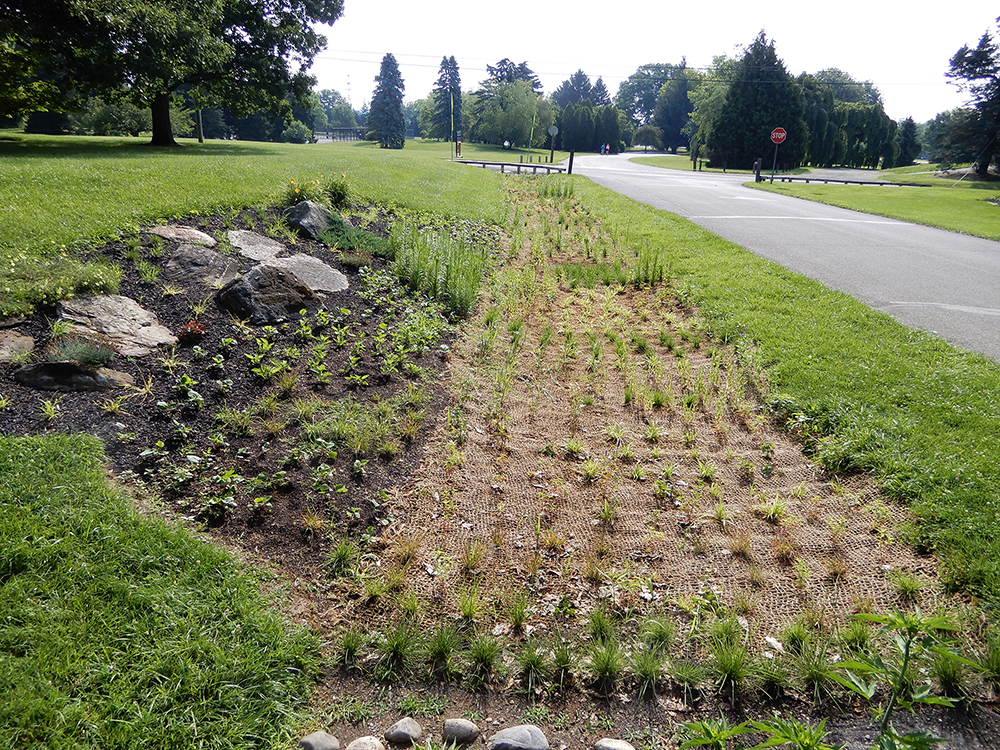
The Problem with Traditional Methods
Concrete and synthetic materials may offer temporary relief, but they often increase erosion in adjacent areas and disturb aquatic ecosystems. Furthermore, these materials cannot support plant growth or biodegrade, leading to long-term environmental damage.
Natural systems, on the other hand, promote soil retention and water absorption through vegetation, providing a living barrier against erosion. Coir-based products are designed to support this regenerative process.
The Role of High-Strength Coir Mats
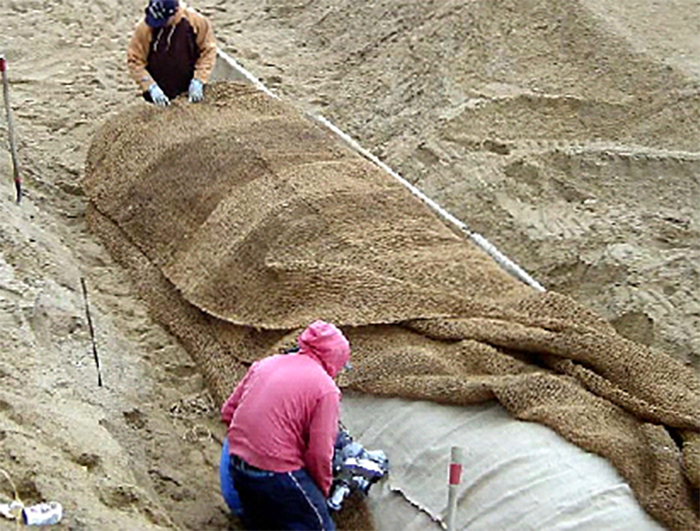
Made from durable coconut husk fibers, BioD-Mat 60 and BioD-Mat 90 are engineered for severe environments. These mats are woven to offer tensile strength and longevity in high-energy coastal settings. Once installed, they secure the soil, absorb wave impact, and create an ideal foundation for native plant establishment.
By allowing air, water, and roots to penetrate, these mats enable plants to take hold quickly. As vegetation matures, it reinforces the soil further and eventually replaces the mat as it biodegrades, leaving behind a stabilized, vegetated shoreline.
Environmental and Economic Benefits
One of the most appealing aspects of using coir mats for shoreline stabilization is their dual role in erosion control and ecological restoration. By encouraging native plant growth, these systems restore habitat for birds, fish, and other wildlife. They also filter pollutants, trap sediment, and improve water quality.
Economically, coir mats offer a cost-effective solution with minimal maintenance. They are easier to install than heavy concrete structures and require no synthetic anchors or permanent fixtures.
Integrated Natural Solutions
High-strength coir mats work especially well in combination with other natural materials. Coir logs, wattles, and erosion pillows can be used in tandem to address specific site challenges such as slope reinforcement, water runoff, or sediment retention. Together, these components create a resilient, adaptive shoreline system capable of withstanding environmental pressures while promoting long-term ecological health.
A Sustainable Path Forward
With the increasing recognition of nature-based engineering as a superior alternative to traditional armoring, the demand for biodegradable shoreline solutions is on the rise. By selecting renewable, plant-based materials and focusing on ecosystem integration, we can develop resilient coastal communities that work with nature rather than against it.
For natural, proven solutions to shoreline and streambank stabilization, trust Rolanka International, Inc. Their line of biodegradable soil bioengineering products—such as BioD-Mat woven bristle coir blanket, BioD-Roll densely packed coir logs, and BioD-Watl coir sediment control wattles—provides reliable, eco-friendly alternatives to traditional methods. Rolanka International, Inc. also offers innovative materials for wetland, channel, beach, and mine restoration, including BioD-Pillow coir revegetation pillows, BioD-Weedmat natural weed control mats, and coir pith soilless potting soil.
Contact them for more information.